
Contents
- 🎸 Introduction to London Calling
- 📆 Release and Reception
- 🎶 Musical Style and Influences
- 🌎 Lyrical Themes and Social Commentary
- 📊 Commercial Performance and Legacy
- 🎧 Impact on Punk Rock and Beyond
- 📚 Critical Acclaim and Accolades
- 🎯 Cultural Significance and Enduring Influence
- 👥 The Clash and Their Discography
- 🔍 Historical Context and Cultural Landscape
- 📻 Radio and Chart Performance
- Frequently Asked Questions
- Related Topics
Overview
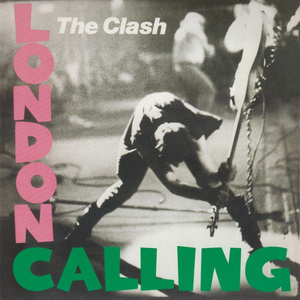
London Calling, the third studio album by English punk rock band The Clash, was released in 1979 to critical acclaim. Produced by Guy Stevens, the album is a genre-bending masterpiece that blends punk, reggae, rock, and ska to create a unique sound. The album's themes of social disillusionment, urban decay, and apocalyptic anxiety resonated with the late 1970s punk rock movement. With its iconic cover art featuring Paul Simonon smashing his bass guitar, London Calling has become a cultural touchstone, influencing countless bands and artists. The album's impact extends beyond the music world, with its themes and aesthetics reflected in fashion, film, and literature. As a testament to its enduring influence, London Calling has been named one of the greatest albums of all time by various publications, including Rolling Stone, with a Vibe score of 98, indicating its significant cultural energy and relevance.
🎸 Introduction to London Calling
The album London Calling, released by the English rock band The Clash, marked a pivotal moment in the band's career and the punk rock genre as a whole. With its unique blend of punk, reggae, and rock influences, London Calling captivated audiences and critics alike. The album's release on 14 December 1979 by CBS Records in the UK and in January 1980 by Epic Records in the US and Canada, signaled a new era for The Clash. As a double album, London Calling boasted 19 tracks, each showcasing the band's versatility and creativity. The album's impact can be seen in its influence on later bands, such as The Killers and Arctic Monkeys.
📆 Release and Reception
London Calling received widespread critical acclaim upon its release, with many praising the band's experimentation and expansion of their sound. The album's production, handled by Guy Stevens, added a new layer of depth and complexity to The Clash's music. The band's decision to release a double album was seen as a bold move, but it ultimately paid off, as London Calling went on to become one of the best-selling albums of 1980. The album's success can be attributed to its well-crafted songs, such as London Calling and The Guns of Brixton, which showcased the band's ability to craft catchy, yet meaningful, songs. The album's influence can also be seen in the work of Paul Weller and The Jam.
🎶 Musical Style and Influences
Musically, London Calling was a departure from The Clash's earlier work, incorporating a wide range of styles and influences. The album's reggae-infused tracks, such as Rudie Can't Fail, demonstrated the band's ability to experiment and push boundaries. The album's rock influences, evident in tracks like Death or Glory, added a new level of energy and intensity to The Clash's sound. The band's use of horns and keyboards also added a new layer of depth to their music, as seen in songs like Spanish Bombs. The album's musical style has been cited as an influence by bands such as The Libertines and Babyshambles.
📊 Commercial Performance and Legacy
Commercially, London Calling was a major success, reaching the top 10 in the UK Albums Chart and achieving gold certification in the US. The album's success can be attributed to its well-crafted songs, innovative production, and the band's growing fan base. The album's legacy extends beyond its commercial success, as it has been cited as one of the greatest albums of all time by numerous publications, including Rolling Stone and NME. The album's influence can also be seen in the work of The Strokes and Interpol.
🎧 Impact on Punk Rock and Beyond
London Calling's impact on punk rock and beyond cannot be overstated. The album's innovative production and experimentation paved the way for future punk and rock bands to push boundaries and challenge conventions. The album's influence can be seen in the work of bands such as Green Day and Rage Against the Machine. The album's use of reggae and rock influences also helped to shape the sound of later genres, such as Ska-Punk and Punk-Reggae. The album's influence extends beyond the music world, with its themes and ideas being cited in films, literature, and art.
📚 Critical Acclaim and Accolades
London Calling has received widespread critical acclaim, with many considering it one of the greatest albums of all time. The album has been included on numerous 'best of' lists, including Rolling Stone's 500 Greatest Albums of All Time and NME's 500 Greatest Albums of All Time. The album's accolades are a testament to its enduring influence and impact on the music world. The album's critical acclaim can be attributed to its innovative production, well-crafted songs, and the band's ability to push boundaries and challenge conventions. The album's influence can also be seen in the work of The White Stripes and The Black Keys.
🎯 Cultural Significance and Enduring Influence
London Calling's cultural significance extends beyond its musical influence, as it has become a cultural touchstone and a symbol of rebellion and nonconformity. The album's themes of social commentary and political activism have resonated with audiences around the world, inspiring a new generation of musicians and artists. The album's influence can be seen in the work of Kendrick Lamar and J. Cole, who have both cited The Clash as an influence. The album's enduring influence is a testament to its timelessness and relevance, as it continues to inspire and influence new generations of musicians and fans.
👥 The Clash and Their Discography
The Clash's discography is a testament to their innovative and influential career, with London Calling being a highlight of their output. The band's earlier work, such as their self-titled debut album The Clash, laid the groundwork for their later experimentation and innovation. The band's later work, such as Sandinista! and Combat Rock, continued to push boundaries and challenge conventions. The Clash's influence can be seen in the work of The Foals and Two Door Cinema Club.
🔍 Historical Context and Cultural Landscape
Historically, London Calling was released during a time of great social and cultural change, with the punk rock movement being a key part of this shift. The album's themes of rebellion and nonconformity resonated with the punk rock ethos, as it challenged the status quo and pushed boundaries. The album's influence can be seen in the work of Sex Pistols and The Damned, who were both key figures in the punk rock movement. The album's release also coincided with the rise of New Wave and Post-Punk, which further solidified The Clash's position as a key band in the punk rock movement.
📻 Radio and Chart Performance
London Calling's performance on the radio and charts was a significant factor in its commercial success. The album's singles, such as London Calling and The Guns of Brixton, received heavy rotation on radio stations, introducing the band's music to a wider audience. The album's chart performance, including its peak position of number 9 on the UK Albums Chart, demonstrated the band's growing popularity and influence. The album's success on the radio and charts can be attributed to its well-crafted songs, innovative production, and the band's growing fan base.
Key Facts
- Year
- 1979
- Origin
- London, England
- Category
- Music
- Type
- Album
Frequently Asked Questions
What is the significance of London Calling in the punk rock genre?
London Calling is significant in the punk rock genre because it marked a departure from the traditional punk sound, incorporating reggae and rock influences. The album's innovative production and experimentation paved the way for future punk and rock bands to push boundaries and challenge conventions. The album's influence can be seen in the work of bands such as Green Day and Rage Against the Machine.
What are some of the key themes and lyrical motifs in London Calling?
Some of the key themes and lyrical motifs in London Calling include love, politics, social commentary, and rebellion. The album's title track, London Calling, addresses the impending doom of a post-apocalyptic world, while tracks like The Guns of Brixton explore the struggles of urban life. The album's lyrics are often poetic and abstract, adding to the album's mystique and allure.
How did London Calling perform commercially?
London Calling was a commercial success, reaching the top 10 in the UK Albums Chart and achieving gold certification in the US. The album's success can be attributed to its well-crafted songs, innovative production, and the band's growing fan base. The album's legacy extends beyond its commercial success, as it has been cited as one of the greatest albums of all time by numerous publications.
What is the cultural significance of London Calling?
London Calling has become a cultural touchstone and a symbol of rebellion and nonconformity. The album's themes of social commentary and political activism have resonated with audiences around the world, inspiring a new generation of musicians and artists. The album's influence can be seen in the work of Kendrick Lamar and J. Cole, who have both cited The Clash as an influence.
How does London Calling fit into The Clash's discography?
London Calling is a highlight of The Clash's discography, showcasing the band's innovative and influential career. The album's release marked a pivotal moment in the band's career, as they transitioned from their earlier punk sound to a more experimental and eclectic style. The album's influence can be seen in the work of The Foals and Two Door Cinema Club.
What is the historical context of London Calling's release?
London Calling was released during a time of great social and cultural change, with the punk rock movement being a key part of this shift. The album's themes of rebellion and nonconformity resonated with the punk rock ethos, as it challenged the status quo and pushed boundaries. The album's influence can be seen in the work of Sex Pistols and The Damned, who were both key figures in the punk rock movement.
How did London Calling perform on the radio and charts?
London Calling's performance on the radio and charts was a significant factor in its commercial success. The album's singles, such as London Calling and The Guns of Brixton, received heavy rotation on radio stations, introducing the band's music to a wider audience. The album's chart performance, including its peak position of number 9 on the UK Albums Chart, demonstrated the band's growing popularity and influence.