
Contents
- 🎶 Introduction to Gregorian Chant
- 🕊️ History of Gregorian Chant
- 📚 Development of Gregorian Chant
- 👑 The Role of Pope Gregory I
- 🎵 Characteristics of Gregorian Chant
- 📝 Notation and Neumes
- 🌎 Regional Influences on Gregorian Chant
- 🕊️ Liturgical Use of Gregorian Chant
- 👥 Schola Cantorum and its Impact
- 📊 Preservation and Revival of Gregorian Chant
- 🎧 Modern Interpretations of Gregorian Chant
- 👀 Controversies and Debates Surrounding Gregorian Chant
- Frequently Asked Questions
- Related Topics
Overview
Gregorian chant, the central tradition of Western Plainchant, is a form of monophonic, unaccompanied sacred song in Latin of the Roman Catholic Church. Developed mainly in western and central Europe during the 9th and 10th centuries, Gregorian chant has a rich history that spans centuries. The Schola Cantorum, a school of singers, played a significant role in the development of Gregorian chant. With its unique sound and style, Gregorian chant has become an integral part of the Catholic Liturgy. The History of Gregorian Chant is a complex and fascinating topic, with many Influences on Gregorian Chant from various regions and cultures.
🕊️ History of Gregorian Chant
The history of Gregorian chant is a long and complex one, with many Contributors to Gregorian Chant playing a role in its development. Although popular legend credits Pope Gregory I with inventing Gregorian chant, scholars believe that he only ordered a compilation of melodies throughout the whole Christian world. The Carolingian Synthesis of the Old Roman chant and Gallican chant was a significant milestone in the development of Gregorian chant. The Neumatical Notation system, perfected in the Schola Cantorum, allowed for the precise notation of melodies. With the help of Charlemagne, Gregorian chant spread throughout Europe, becoming an integral part of the Medieval Music tradition.
📚 Development of Gregorian Chant
The development of Gregorian chant was a gradual process that spanned centuries. The Old Roman Chant and Gallican Chant were two of the main influences on the development of Gregorian chant. The Carolingian Renaissance saw a resurgence of interest in Gregorian chant, with many new melodies and compositions being added to the repertoire. The Schola Cantorum played a significant role in the development of Gregorian chant, with its emphasis on Neumatical Notation and the perfection of the Gregorian Chant Style. With the help of Monastic Orders, Gregorian chant spread throughout Europe, becoming an integral part of the Catholic Liturgy.
👑 The Role of Pope Gregory I
Pope Gregory I, also known as Gregory the Great, played a significant role in the development of Gregorian chant. Although he did not invent Gregorian chant, he did order a compilation of melodies throughout the whole Christian world. The Pope Gregory I's contribution to Gregorian chant was significant, and his legacy can still be seen in the Gregorian Chant Style today. The Schola Cantorum, which was established during his reign, was a significant institution in the development of Gregorian chant. With its emphasis on Neumatical Notation and the perfection of the Gregorian Chant Style, the Schola Cantorum helped to establish Gregorian chant as a central part of the Catholic Liturgy.
🎵 Characteristics of Gregorian Chant
Gregorian chant is characterized by its unique sound and style, which is distinct from other forms of Sacred Music. The Gregorian Chant Style is monophonic, meaning that it consists of a single melody line without accompaniment. The Neumatical Notation system, which was perfected in the Schola Cantorum, allows for the precise notation of melodies. With its emphasis on Latin and the Catholic Liturgy, Gregorian chant has become an integral part of the Roman Catholic Church. The History of Gregorian Chant is a complex and fascinating topic, with many Influences on Gregorian Chant from various regions and cultures.
📝 Notation and Neumes
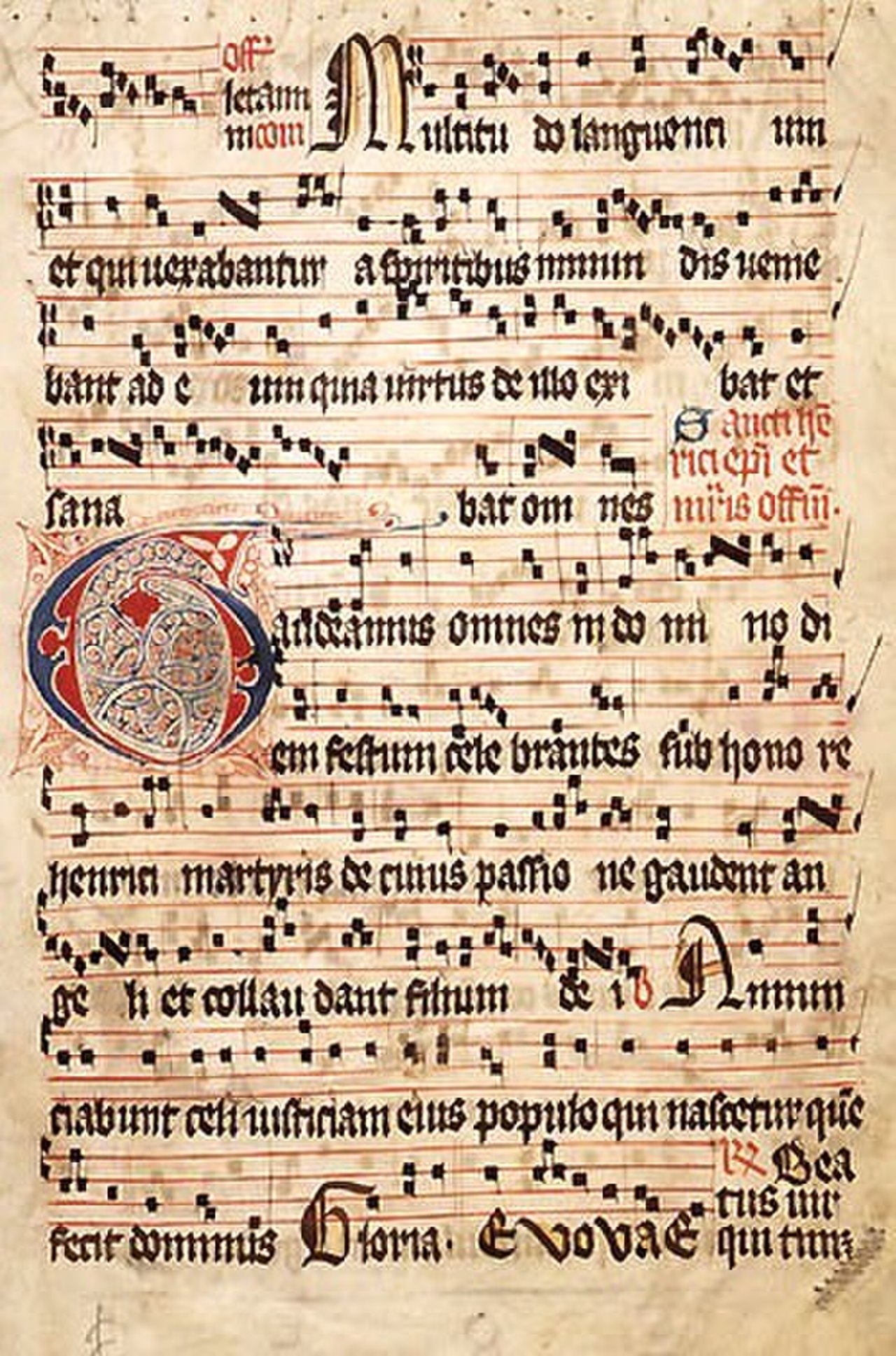
The notation of Gregorian chant is a complex and fascinating topic, with many Types of Neumes being used to represent different melodies and rhythms. The Neumatical Notation system, which was perfected in the Schola Cantorum, allows for the precise notation of melodies. With its emphasis on Neumes and the Gregorian Chant Style, the notation of Gregorian chant has become an integral part of the Catholic Liturgy. The Schola Cantorum played a significant role in the development of Gregorian chant, with its emphasis on Neumatical Notation and the perfection of the Gregorian Chant Style.
🌎 Regional Influences on Gregorian Chant
Gregorian chant has been influenced by many different regions and cultures, with the Old Roman Chant and Gallican Chant being two of the main influences on its development. The Carolingian Synthesis of the Old Roman chant and Gallican chant was a significant milestone in the development of Gregorian chant. With the help of Charlemagne, Gregorian chant spread throughout Europe, becoming an integral part of the Medieval Music tradition. The Monastic Orders played a significant role in the spread of Gregorian chant, with many Monasteries becoming centers of learning and culture.
🕊️ Liturgical Use of Gregorian Chant
Gregorian chant has been used in the Catholic Liturgy for centuries, with many different Types of Gregorian Chant being used in various contexts. The Mass and the Office are two of the main contexts in which Gregorian chant is used. With its emphasis on Latin and the Catholic Liturgy, Gregorian chant has become an integral part of the Roman Catholic Church. The Schola Cantorum played a significant role in the development of Gregorian chant, with its emphasis on Neumatical Notation and the perfection of the Gregorian Chant Style.
👥 Schola Cantorum and its Impact
The Schola Cantorum, a school of singers, played a significant role in the development of Gregorian chant. Established during the reign of Pope Gregory I, the Schola Cantorum was a center of learning and culture, with many Scholars and Musicians contributing to its development. With its emphasis on Neumatical Notation and the perfection of the Gregorian Chant Style, the Schola Cantorum helped to establish Gregorian chant as a central part of the Catholic Liturgy. The Carolingian Renaissance saw a resurgence of interest in Gregorian chant, with many new melodies and compositions being added to the repertoire.
📊 Preservation and Revival of Gregorian Chant
The preservation and revival of Gregorian chant has been a significant topic in recent years, with many Organizations and Individuals working to promote its use in the Catholic Liturgy. The Second Vatican Council saw a significant shift in the use of Gregorian chant, with many Parishes and Dioceses adopting more modern forms of music. However, in recent years, there has been a resurgence of interest in Gregorian chant, with many Choirs and Scholas being established to promote its use. With its unique sound and style, Gregorian chant has become an integral part of the Roman Catholic Church.
🎧 Modern Interpretations of Gregorian Chant
Modern interpretations of Gregorian chant have been diverse and widespread, with many Artists and Groups incorporating its unique sound and style into their music. The Gregorian Chant Revival of the 1990s saw a significant increase in the popularity of Gregorian chant, with many Albums and Recordings being released. With its emphasis on Latin and the Catholic Liturgy, Gregorian chant has become an integral part of the Roman Catholic Church. The Schola Cantorum played a significant role in the development of Gregorian chant, with its emphasis on Neumatical Notation and the perfection of the Gregorian Chant Style.
👀 Controversies and Debates Surrounding Gregorian Chant
Controversies and debates surrounding Gregorian chant have been numerous and complex, with many Issues and Topics being discussed and debated. The Use of Gregorian Chant in the Liturgy has been a significant topic of debate, with many Parishes and Dioceses adopting more modern forms of music. However, many Traditionalists argue that Gregorian chant is an essential part of the Catholic Liturgy and should be preserved and promoted. With its unique sound and style, Gregorian chant has become an integral part of the Roman Catholic Church.
Key Facts
- Category
- topic
- Type
- topic
Frequently Asked Questions
What is Gregorian chant?
Gregorian chant is a form of monophonic, unaccompanied sacred song in Latin of the Roman Catholic Church. It is characterized by its unique sound and style, which is distinct from other forms of sacred music. With its emphasis on Latin and the Catholic Liturgy, Gregorian chant has become an integral part of the Roman Catholic Church. The history of Gregorian chant is a complex and fascinating topic, with many influences from various regions and cultures. The Schola Cantorum, a school of singers, played a significant role in the development of Gregorian chant.
Who developed Gregorian chant?
Although popular legend credits Pope Gregory I with inventing Gregorian chant, scholars believe that he only ordered a compilation of melodies throughout the whole Christian world. The Carolingian Synthesis of the Old Roman chant and Gallican chant was a significant milestone in the development of Gregorian chant. The Schola Cantorum, which was established during the reign of Pope Gregory I, was a center of learning and culture, with many scholars and musicians contributing to its development.
What is the significance of Gregorian chant in the Catholic Liturgy?
Gregorian chant has been used in the Catholic Liturgy for centuries, with many different types of Gregorian chant being used in various contexts. The Mass and the Office are two of the main contexts in which Gregorian chant is used. With its emphasis on Latin and the Catholic Liturgy, Gregorian chant has become an integral part of the Roman Catholic Church. The Schola Cantorum played a significant role in the development of Gregorian chant, with its emphasis on Neumatical Notation and the perfection of the Gregorian Chant Style.
How has Gregorian chant been preserved and revived?
The preservation and revival of Gregorian chant has been a significant topic in recent years, with many organizations and individuals working to promote its use in the Catholic Liturgy. The Second Vatican Council saw a significant shift in the use of Gregorian chant, with many parishes and dioceses adopting more modern forms of music. However, in recent years, there has been a resurgence of interest in Gregorian chant, with many choirs and scholas being established to promote its use.
What are some modern interpretations of Gregorian chant?
Modern interpretations of Gregorian chant have been diverse and widespread, with many artists and groups incorporating its unique sound and style into their music. The Gregorian Chant Revival of the 1990s saw a significant increase in the popularity of Gregorian chant, with many albums and recordings being released. With its emphasis on Latin and the Catholic Liturgy, Gregorian chant has become an integral part of the Roman Catholic Church.
What are some controversies surrounding Gregorian chant?
Controversies and debates surrounding Gregorian chant have been numerous and complex, with many issues and topics being discussed and debated. The use of Gregorian chant in the Liturgy has been a significant topic of debate, with many parishes and dioceses adopting more modern forms of music. However, many traditionalists argue that Gregorian chant is an essential part of the Catholic Liturgy and should be preserved and promoted.
What is the future of Gregorian chant?
The future of Gregorian chant is uncertain, but with the resurgence of interest in traditional forms of music and the Catholic Liturgy, it is likely that Gregorian chant will continue to play a significant role in the Roman Catholic Church. Many organizations and individuals are working to promote the use of Gregorian chant in the Liturgy, and with the help of modern technology, it is easier than ever to access and learn about Gregorian chant.